Gateshead occupies a distinctive position on the south bank of the River Tyne, directly opposite Newcastle city centre, offering residents excellent transport links and easy access to the broader Newcastle metropolitan area. The town has a population of approximately 200,400 across 89,700 households, making it one of the larger towns in the North East region. The proximity to Newcastle significantly influences the local housing market, as many residents commute across the river for work in sectors including finance, technology, healthcare, and education. The Metrocentre, one of Europe's largest shopping and leisure complexes, remains a major local employer and draws visitors from across the region.

The geological characteristics of Gateshead present important considerations for property buyers and sellers. The area sits primarily on Coal Measures geology, consisting of mudstones, sandstones, siltstones, and coal seams, with clay present particularly in the form of mudstones. This clay-rich geology contributes to shrink-swell potential, meaning properties may experience ground movement during periods of extreme weather, particularly during droughts or heavy rainfall. While specific shrink-swell risk data for Gateshead was not found, the presence of clay suggests moderate to high risk in certain areas, which is worth noting for those purchasing period properties in areas like Saltwell or Old Fold, or those with significant trees nearby.
Flood risk represents another environmental consideration for the Gateshead property market. The River Tyne forms the northern boundary of the town, and its tributaries, particularly the River Team, pose risks of fluvial flooding in low-lying areas adjacent to watercourses. Properties near the Team Valley trading estate and areas surrounding the River Team should have flood risk assessments conducted during the conveyancing process. Surface water flooding is a significant concern across urban areas, where heavy rainfall can overwhelm drainage systems and lead to standing water on roads and properties, particularly in underpasses and cul-de-sac locations.
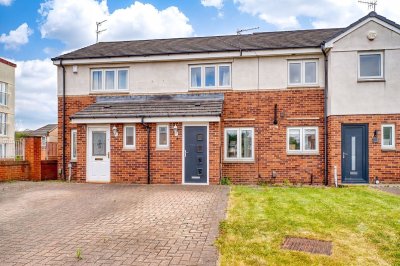
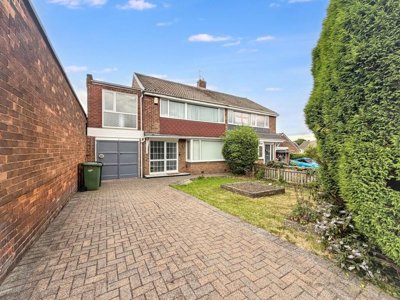
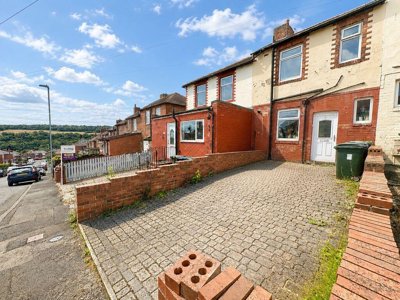
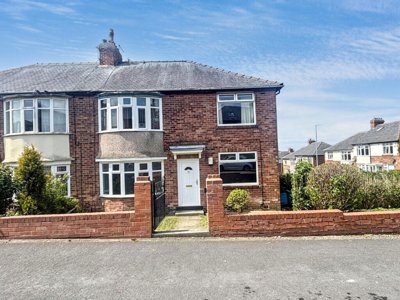
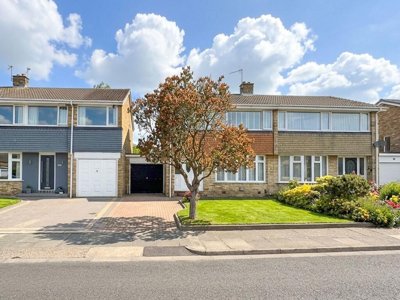
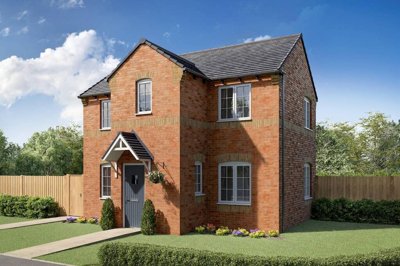
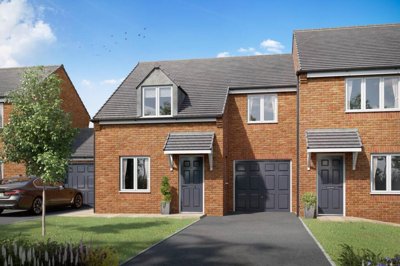
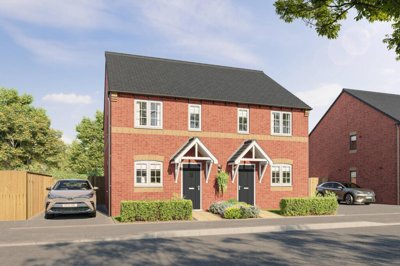
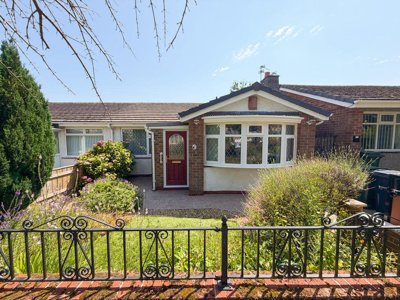
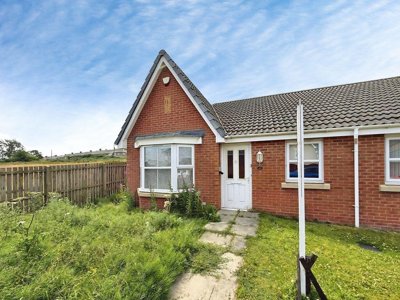
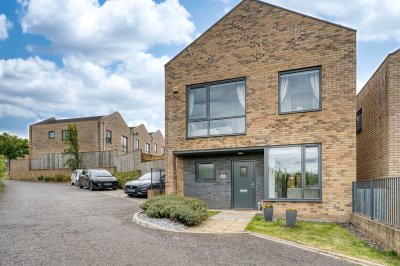
The housing stock in Gateshead reflects its industrial heritage and subsequent development phases. A substantial proportion of properties date from the Victorian and Edwardian eras, particularly terraced housing in older, more central areas such as Old Durham Road, Teams, and former mining communities. Semi-detached properties are very common, especially in suburban developments from the mid-20th century in areas like Low Fell, Whickham, and around the Bede estate. The conservation areas in parts of Low Fell, Saltwell, and the High Street preserve the architectural character of these historic periods, with numerous listed buildings throughout the town requiring specialist planning considerations for any alterations. The predominant building materials include traditional red brick, with some stone in older properties along the old High Street, render and pebbledash finishes on various age properties, and slate or clay tile roofs on period properties.